

Wardrobe conversations used to start and end with clothes. Shirts, trousers, dresses, layering pieces, seasonal trends. But modern style discussions sound different now. They go deeper. They ask better questions.
People no longer talk only about what they wear. They talk about how they live in what they wear.
This shift has quietly expanded the definition of personal style. Today, style includes everything that appears in daily life—bags, shoes, jewelry, eyewear, and even objects once considered purely functional. The modern wardrobe no longer ends at the closet door. It spills into everyday routines.
And that change has reshaped how people think about accessories.
Style as a System, Not a Collection
A wardrobe is no longer a random collection of pieces. It’s a system. Each item supports the others. Each choice affects the whole.
When people curate wardrobes today, they think about versatility, longevity, and cohesion. They want pieces that work across settings rather than items that demand special occasions. This mindset naturally extends to accessories.
Accessories must now:
- Match multiple outfits
- Adapt to different environments
- Age well visually
- Support daily movement and habits
Anything that disrupts this flow feels out of place.
Why Details Carry More Weight Than Ever
In an age of constant visibility, details matter more than they used to. Mirrors, cameras, video calls, social platforms—all capture moments once considered private or irrelevant.
Small things show up everywhere.
A scuffed bag handle. A mismatched accessory. A cracked or discolored phone case. These details don’t go unnoticed anymore, especially by people who care about presentation.
WardrobeTalk readers understand this instinctively. Style lives in the margins. The strongest looks rarely rely on bold statements alone. They rely on consistency.
Everyday Objects Are Now Style Signals
The objects people carry daily have become silent communicators. They signal priorities without words.
A thoughtfully chosen notebook suggests intention. A well-made watch suggests patience. Even tech accessories now communicate taste.
Smartphones, in particular, occupy a unique position. They appear in hands, photos, workspaces, cafés, and social settings. Ignoring how they look breaks visual harmony.
This doesn’t mean every item needs to stand out. In fact, the opposite works better. Objects that blend effortlessly into a wardrobe signal refinement.
The Quiet Evolution of the Phone Case
For years, phone cases lived outside fashion conversations. They focused on protection or novelty. Style rarely entered the equation.
That separation no longer holds.
As phones became constant companions, people started noticing how cases affected overall presentation. A bulky or cheap-looking case could undermine a carefully styled outfit. A thoughtfully designed one could disappear into the look seamlessly.
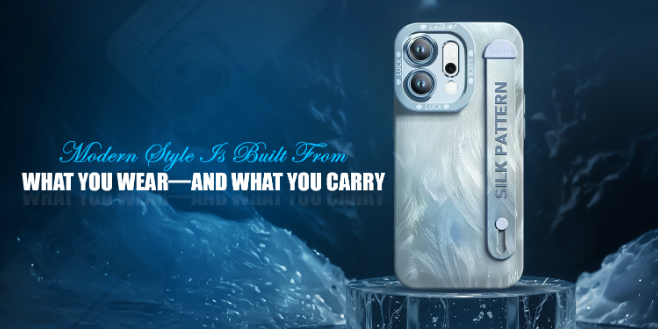
Design-aware brands noticed this shift early. Instead of loud graphics or exaggerated claims, they focused on subtle finishes, realistic protection, and clean forms. Some modern case collections—such as those from CoversGen—reflect this approach by prioritizing balance over attention, like these oppo reno 14 covers.
The goal is not to impress. It’s to belong.
Function Is No Longer Optional in Fashion
Fashion no longer tolerates discomfort or inconvenience for the sake of appearance. The modern wardrobe prioritizes wearability.
If an accessory slips, scratches easily, or breaks under normal use, it fails—no matter how good it looks on day one.
This expectation reshapes how people evaluate everyday items. They ask:
- Does this work with my routine?
- Does it feel good to use?
- Does it stay presentable over time?
Accessories that meet these criteria earn trust. Those that don’t get replaced quickly.
Cohesion Over Perfection
Perfect outfits exist mostly online. Real style happens in motion.
Cohesion matters more than flawlessness. When pieces feel aligned—colors, textures, proportions—the look works even if nothing stands out dramatically.
This philosophy encourages neutral palettes, clean silhouettes, and accessories that support rather than compete. It also explains why many people gravitate toward understated phone cases, bags, and shoes.
They want accessories that don’t demand styling decisions every morning.
Why Longevity Has Become a Style Value
Fast fashion trained people to replace items frequently. That mindset is changing.
Modern wardrobes emphasize longevity—not just for sustainability reasons, but for mental clarity. Replacing fewer items reduces decision fatigue. It builds familiarity and confidence.
Accessories play a big role here. Items that hold up visually and structurally become part of personal identity.
A phone case that still looks appropriate months later feels intentional. It supports the idea that style isn’t about constant change—it’s about thoughtful selection.
Texture, Touch, and Daily Interaction
People interact with accessories more than they realize. They touch them constantly. The sensory experience matters.
Texture influences comfort. Finish affects grip. Weight changes how an item feels throughout the day.
These factors shape emotional responses. Accessories that feel good to use quietly improve daily experiences. Those that frustrate create low-level stress.
That’s why well-designed everyday items earn loyalty. They reduce friction without demanding attention.
Modern Wardrobes Extend Into Workspaces
Work-from-anywhere culture blurred the line between personal and professional spaces. Desks, cafés, and shared environments now appear on video calls and social content.
This visibility encourages consistency. Items visible in these spaces—laptops, mugs, phone accessories—become part of personal presentation.
A cohesive wardrobe now considers these environments too. Accessories that feel appropriate everywhere simplify life.
Minimalism Isn’t About Having Less
Minimalism often gets misinterpreted as owning fewer things. In reality, it’s about owning better things.
A minimalist wardrobe includes items chosen for relevance, adaptability, and quality. Accessories play a key role because they appear frequently.
Choosing well-designed essentials reduces clutter—both physical and visual.
This approach doesn’t reject style. It refines it.
Subtle Choices Build Strong Style Identities
People with strong personal style rarely chase trends aggressively. They curate. They repeat what works. They refine over time.
Their wardrobes feel cohesive because every item supports the same narrative.
Even small accessories align with this story. Nothing feels random. Nothing feels out of place.
This quiet consistency creates presence.
Fashion Conversations Are Becoming More Honest
WardrobeTalk thrives on thoughtful fashion conversations. Today’s discussions focus less on hype and more on lived experience.
People want clothes and accessories that support real lives. They want beauty without fragility. Structure without stiffness. Style without stress.
Accessories that meet these expectations naturally become part of the wardrobe conversation—even if they once lived outside it.
Closing Thoughts
Personal style no longer exists in isolation. It connects wardrobes, routines, spaces, and habits into a single visual language.
Everyday objects—once ignored—now participate in that language. They either support cohesion or disrupt it.
The modern wardrobe rewards intention. It values balance over noise, longevity over novelty, and function over pretense.
When style aligns with life, it stops feeling performative. It starts feeling natural.
And that’s when wardrobe conversations truly matter.